
Structural Drying That Ends With a Number, Not a Guess
Air movers and dehumidifiers placed against a written target, with moisture readings logged until the structure is actually dry.
Email Us for a Free Estimate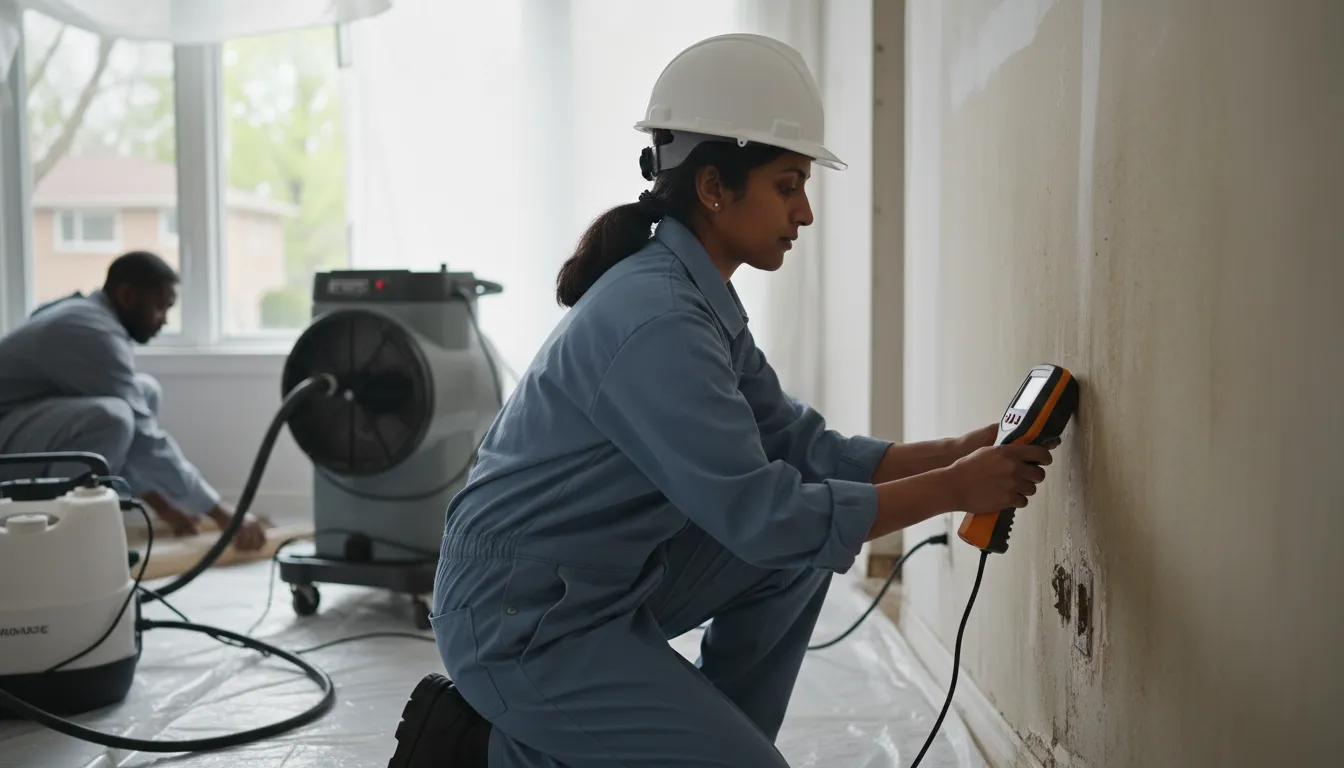
Why Drying Time Varies Across Oakville Housing Stock
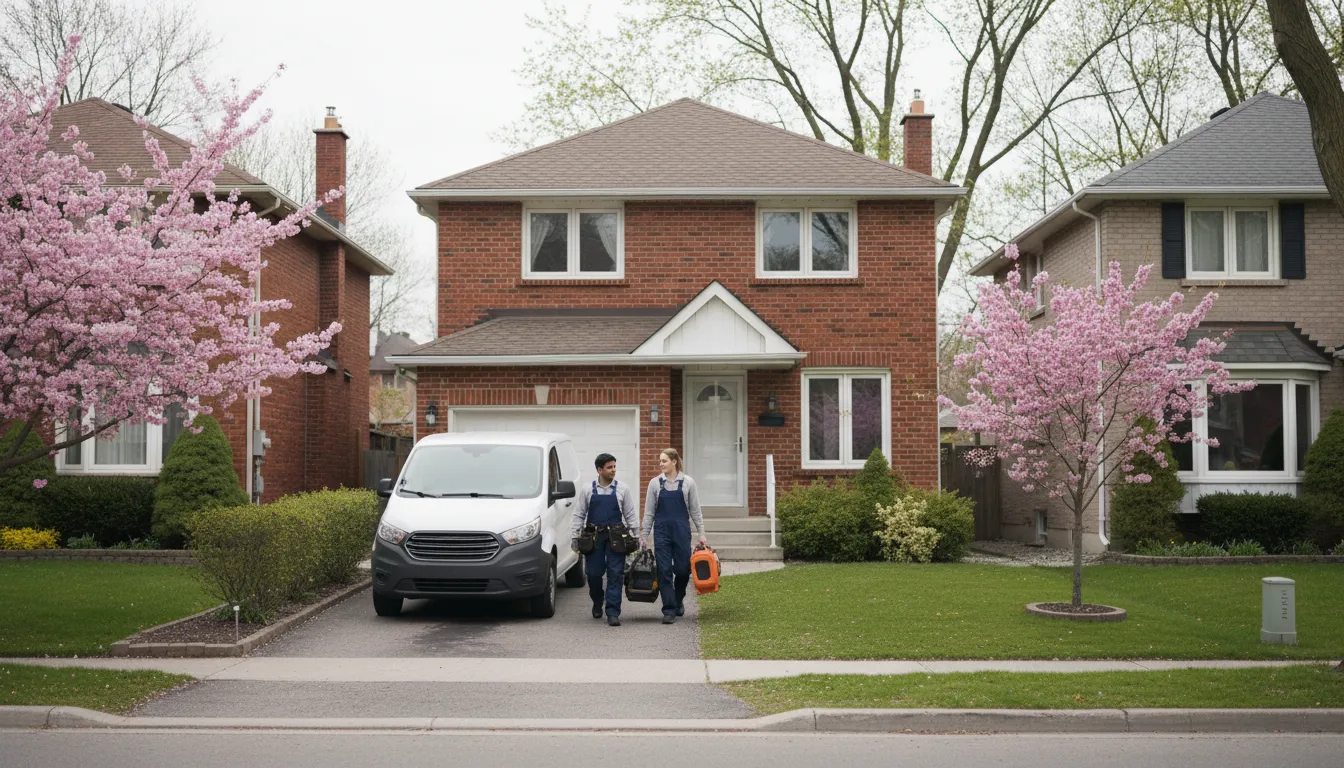
A century home near downtown Oakville with plaster walls and a stone foundation dries at a very different rate than a new-build in a north-end subdivision with engineered wood subfloor and vapour barriers. Humidity swings between a damp spring and a humid Ontario summer add another variable, which is why a generic drying timeline is rarely accurate.
Plaster vs. Drywall
Older plaster holds moisture differently than modern drywall, often requiring longer, gentler drying to avoid cracking.
Engineered Wood Subfloor
Newer builds with engineered subfloor can trap moisture beneath the surface even when the top looks dry.
Seasonal Humidity
Summer humidity across the GTA slows evaporation, meaning equipment placement matters more than in drier months.
Stone & Rubble Foundations
Older Oakville foundations dry unevenly and need monitoring at multiple points, not just one central reading.
"Looks Dry" Isn't the Same as Dry
Surface moisture evaporates quickly, but material beneath drywall, under flooring, or inside wall cavities can stay wet for days after the visible surface looks fine. Stopping equipment too early is one of the most common causes of hidden mould growth later.
We Dry to a Documented Target
We set a moisture target based on the material and take daily readings with calibrated meters until that target is met consistently, not just once. You get those readings in writing, so 'dry' is a documented fact, not an assumption.
Structural Drying Process
Equipment placement and monitoring, done to a plan.
- 1
1. Baseline Moisture Mapping
We measure affected materials to establish a starting point before any equipment is placed.
- 2
2. Engineered Equipment Placement
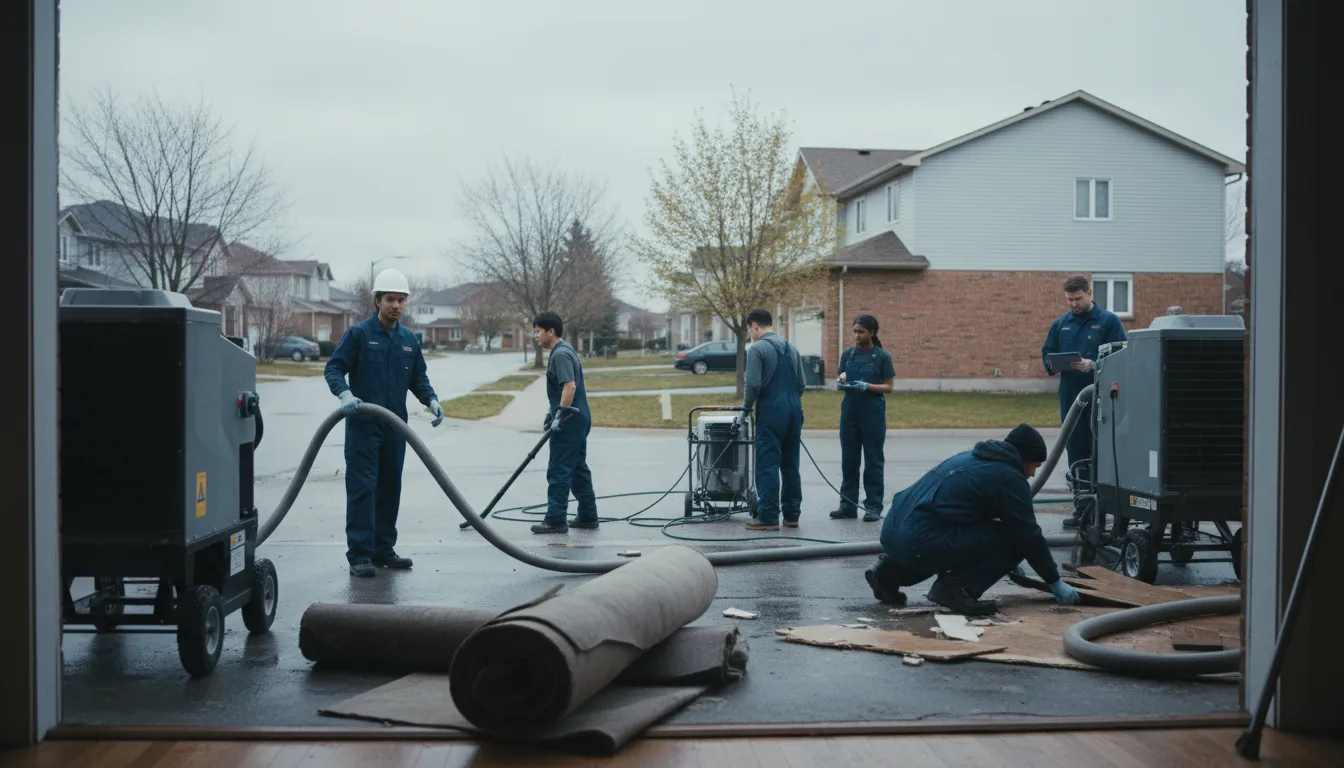
Air movers and dehumidifiers are positioned based on airflow calculations, not guesswork.
- 3
3. Daily Monitoring
Moisture readings are taken and logged daily so drying progress is visible and documented.
- 4
4. Target Confirmation
Equipment stays until readings hit the target consistently across all monitored points.
Why Our Drying Standard Is Higher
Structural drying is where shortcuts hide easiest, and where they cost the most later.
Daily Logged Readings
Every day of drying comes with a documented moisture reading, not a verbal update.
Material-Specific Targets
We set different drying targets for plaster, drywall, subfloor, and hardwood based on how each material actually behaves.
Engineered Airflow
Equipment placement follows airflow principles, not just 'more fans everywhere.'
No Early Shutdowns
We don't pull equipment until readings confirm the target consistently, protecting you from hidden mould risk.
Written Final Report
You receive documented proof of dryness at the end of the job.
Experience Across Housing Ages
From century homes to new builds, we adjust technique to the structure in front of us.
Structural Drying FAQs
How long does structural drying usually take?
It depends on materials and how long they were wet, but most jobs run several days of monitored drying rather than a single visit.
How do you know when a wall or floor is actually dry?
We take moisture readings with calibrated meters against a material-specific target and only stop once those readings are consistent across the affected area.
Will you leave equipment running unattended?
Yes, dehumidifiers and air movers typically run continuously with daily check-ins to record readings and adjust placement if needed.
Does drying differ for an older Oakville home versus a new build?
Yes, plaster and stone foundations common in older homes dry more slowly and unevenly than drywall and engineered subfloor in newer builds, so we adjust equipment and targets accordingly.
Do I get documentation once drying is complete?
You receive a written report with final moisture readings confirming the structure met the drying target.
Dry Means Documented, Not Assumed
Email us for a drying plan built around your home's materials.
Email Us for a Free EstimateWeather drives water-damage risk — email us if you find water.
Fall water-damage conditions in Oakville, ON
Fall rain around Oakville, ON tests gutters, sump pumps, and foundations; catching leaks and seepage early prevents the slow water damage and mold that surface over winter.
Proudly Serving Oakville, ON
Local, on-time service throughout Oakville and the surrounding area.